Mastering Neon Aesthetics: How Gaming PNG Sublimation Postcards Transform Digital Art into Physical Merchandise
Understanding the Foundation of Gaming PNG Sublimation Neon Postcards
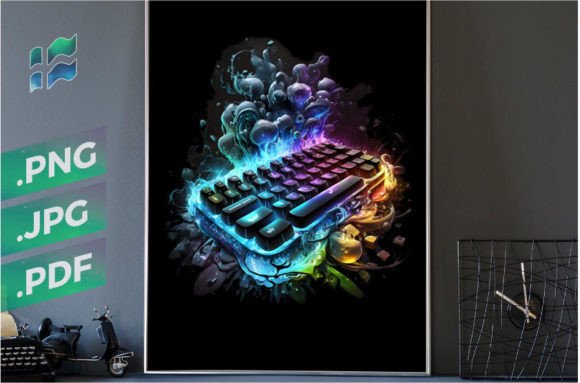
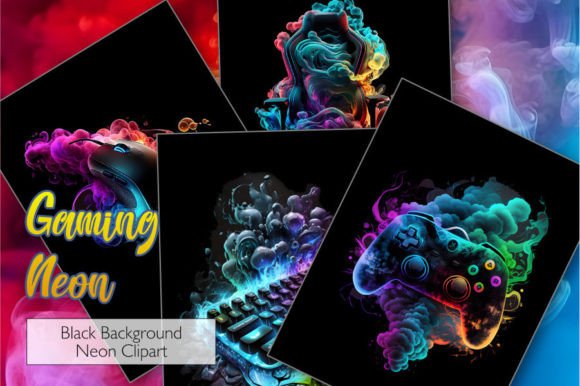
Digital artists and craft entrepreneurs have discovered a versatile asset in Gaming PNG Sublimation Neon Postcards. These aren't merely decorative images. They represent a carefully prepared collection of high-resolution 300 dpi PNG files sized at 1200 x 1800 pixels, engineered specifically for sublimation printing workflows. The neon aesthetic draws from gaming culture's vibrant visual language—electric blues, hot pinks, acid greens, and deep purples that mimic the glow of arcade cabinets and late-night gaming sessions. What sets these files apart is their transparency-ready PNG format, which eliminates background removal labor and preserves every luminous edge and gradient detail.
The technical specifications matter deeply for production outcomes. At 300 dpi within a 1200 x 1800 pixel canvas, each file maintains clarity across multiple transfer sizes without introducing pixelation or blur. This resolution sweet spot accommodates everything from small vinyl stickers to full-size apparel prints. The PNG container format preserves lossless quality through repeated editing sessions, unlike compressed alternatives that degrade with each save. For sublimation practitioners, this means reliable color fidelity when heat and pressure activate the dye-to-polymer bonding process.
The Sublimation Advantage and Neon Color Dynamics
Sublimation printing operates on a principle distinct from surface-level decoration methods. Rather than sitting atop the material like screen-printed ink or vinyl adhesive, sublimation dyes penetrate polymer fibers and coatings at a molecular level when exposed to controlled heat and pressure. The result is a permanent, wash-resistant bond that won't crack, peel, or fade through normal wear cycles. Gaming PNG Sublimation Neon Postcards leverage this characteristic brilliantly because neon pigments—notoriously difficult to reproduce accurately in standard CMYK printing—retain their electric vibrancy through the sublimation process.
The color science behind neon reproduction deserves attention. Traditional printing relies on reflected light from pigmented inks, which inherently dampens luminosity. Sublimation dyes, however, become part of the substrate itself, allowing more light to pass through and reflect back, creating that sought-after glowing effect. When gaming-themed neon designs featuring controllers, headsets, pixel art characters, or cyberpunk motifs transfer onto polyester-coated surfaces, they maintain the luminous quality that defines the gaming visual culture. This explains why creators working with apparel, drinkware, and accessories consistently choose these specific file collections.
Practical Workflow Integration for Digital Creators
Starting with well-prepared source files transforms the production timeline. The FILES INCLUDED in typical gaming neon postcard bundles arrive organized and ready for immediate use, eliminating hours of isolation work. For designers working in Canva, the PNG format imports directly into templates without compatibility concerns. The transparency channels let neon elements float cleanly over any background, whether placed on dark mockup surfaces or layered into complex compositions. This flexibility proves invaluable when creating marketing materials that require consistent branding across multiple formats.
Procreate users benefit from the same transparency advantages when incorporating these elements into hand-drawn compositions. A digital illustrator might combine original character artwork with neon gaming accents pulled from the postcard collection, blending hand-rendered and ready-made components into cohesive pieces. The 300 dpi resolution supports zoom-friendly detail work without degradation, while the 1200 x 1800 aspect ratio provides generous canvas space for compositional experimentation before committing to final output dimensions.
Merchandise Production Across Diverse Substrates
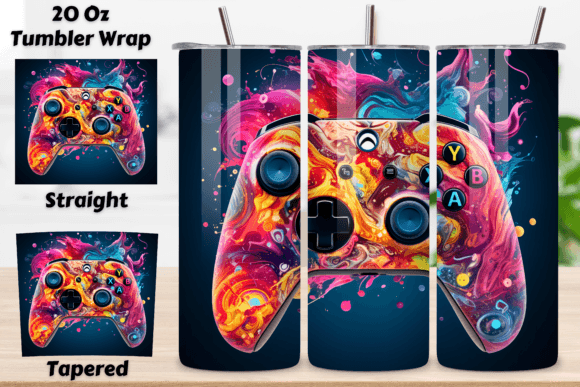
The versatility of these PNG assets extends across an impressive range of physical products. Mugs printing represents one popular application, where the cylindrical surface demands designs that wrap naturally without distortion. Neon gaming graphics, with their bold lines and high-contrast palettes, translate exceptionally well to curved drinkware because the visual impact reads clearly from multiple angles. The sublimation process permanently embeds the design into the polyester coating, creating dishwasher-safe products that retain their glow through hundreds of wash cycles.
Clothing printing encompasses perhaps the broadest application spectrum. T-shirt production benefits from the breathable nature of sublimated fabric—unlike heavy vinyl transfers, the dye integration leaves no texture on the garment surface. This matters for gamers and esports enthusiasts who prioritize comfort during extended wear. Hoodie decoration presents unique challenges around seam placement and pocket interference, but the 1200 x 1800 pixel dimensions of Gaming PNG Sublimation Neon Postcards provide sufficient resolution to scale designs appropriately across larger garment panels. Sweatshirt applications similarly benefit from the wash durability inherent to sublimation bonding.
Bags printing opens additional product categories. Tote bags, backpacks, and drawstring sacks made from polyester or polyester-blend fabrics accept neon sublimation transfers readily. The gaming aesthetic resonates with convention-goers, students, and casual consumers alike. Vinyl stickers produced using these PNG files on printable vinyl with a laminate overlay create durable, weather-resistant decals suitable for laptops, water bottles, car windows, and gaming console customization. The neon colors pop dramatically against dark surfaces, mimicking the look of backlit displays.
Paper Crafts, Stationery, and Printable Decoration
Beyond heat-transfer applications, these digital files serve paper-based crafting needs equally well. Printable decoration projects—party banners, wall art, shelf signage—print cleanly on cardstock through standard inkjet or laser printers. The 300 dpi resolution ensures crisp output even at full 1200 x 1800 pixel dimensions. Scrapbooking enthusiasts incorporate neon gaming elements into memory books documenting gaming achievements, convention experiences, or streaming milestones. The PNG transparency allows seamless layering over patterned background papers without awkward white boxes disrupting the composition.
Cards and invitation design represents a growing niche. Birthday parties themed around gaming, esports watch events, and gaming cafe grand openings all require coordinated printed materials. Neon postcard designs provide ready-made focal points for invitation layouts, requiring only event-specific text additions before printing. The consistent 1200 x 1800 format simplifies batch processing when creating sets of matching invitations, thank-you cards, and envelope liners.
Iron-On Transfer Techniques and Material Considerations
Iron-on transfer application demands attention to substrate compatibility. Polyester fabrics and polyester-coated hard goods accept sublimation dye directly. Cotton and natural fiber blends require a poly-coating spray or specialized transfer sheets that carry the dye in a polymer layer. The high contrast nature of gaming neon designs performs well across both methods, though direct polyester sublimation produces the most vivid results. Heat press parameters—typically around 400 degrees Fahrenheit for 45 to 60 seconds at medium pressure—activate the dye sublimation reaction. Testing on scrap material before committing to final products remains standard best practice.
The longevity advantage of sublimated iron-on transfers compared to adhesive vinyl alternatives becomes apparent through repeated laundering. Where adhesive edges may lift and crack, sublimated designs remain integrated with the fabric structure. This durability justifies the initial investment in proper equipment and quality source files for anyone producing merchandise intended for regular use. The gaming community, known for brand loyalty and merchandise collection, particularly values products that maintain their appearance through extended ownership.
Marketing Materials and Brand Asset Development
Small business owners in the gaming and esports sectors find immediate utility in these digital assets for marketing materials. Social media graphics, website illustrations, promotional flyers, and digital advertisements all demand eye-catching visuals that communicate gaming culture instantly. The neon aesthetic carries strong associations with gaming entertainment, making these postcard designs effective attention-capture tools in crowded digital spaces. A tournament organizer might use neon gaming elements across event banners, stream overlays, and merchandise designs to maintain visual consistency throughout their promotional ecosystem.
Website illustrations benefit from the PNG format's transparency support, allowing neon graphics to float over various background colors without edge artifacts. This technical advantage streamlines web design workflows where multiple background configurations exist across different page templates and breakpoints. The 1200 x 1800 pixel dimensions provide sufficient resolution for hero images and featured graphics while remaining manageable in file size for page load performance optimization.
Educational and Training Applications
Educators teaching digital design, sublimation techniques, or small business skills incorporate these file collections into curriculum materials. The structured, ready-to-use nature of Gaming PNG Sublimation Neon Postcards allows students to focus on production techniques rather than asset creation during introductory lessons. A design instructor might use these files to demonstrate proper software import procedures, color management for sublimation output, and layout composition principles. The gaming theme resonates with student demographics while teaching transferable skills applicable across broader design disciplines.
Researchers examining maker culture, digital entrepreneurship, or craft industry trends reference such digital asset collections as examples of the evolving creator economy infrastructure. The availability of professionally prepared source files lowers barriers to entry for hobbyists exploring product creation while establishing quality standards that shape consumer expectations in handmade and small-batch merchandise markets.
Quality Considerations and Production Standards
Evaluating digital asset quality before purchase protects production investments. Key indicators include consistent 300 dpi resolution across all files in a collection, clean transparency edges without haloing or rough masking artifacts, and color profiles appropriate for the intended output method. sRGB color space generally serves digital display and most desktop printing, while sublimation-specific profiles may require conversion depending on printer and ink configurations. The 1200 x 1800 pixel dimensions establish a known quantity for layout planning, eliminating guesswork about minimum print sizes or scaling limitations.
Testing a single design from a collection through the complete production workflow—from software import through final pressing—reveals any compatibility issues before committing to larger production runs. This practical verification step, while seemingly cautious, prevents material waste and ensures the final products meet quality expectations. Experienced creators develop standardized test procedures that efficiently validate new asset collections against their established production parameters.