Mastering Gaming Sticker Design: How Professional Vector Packs Empower Creators and Businesses
Gaming sticker design has evolved from a niche subculture into a versatile visual language that bridges digital fan art and real-world merchandise. Whether you are a professional graphic artist, a small business owner, or a hobbyist with a cutting machine, high-quality gaming sticker assets can streamline your workflow and unlock creative possibilities. At the heart of this ecosystem lies a typical resource bundle—a zip file packed with industry‑standard vector file formats, ready for everything from monogram making to large‑scale vinyl decals. Understanding what these files contain, why their technical specifications matter, and how to apply them effectively forms the foundation for successful projects in this dynamic design field.
What’s Inside a High‑End Gaming Sticker Design Bundle
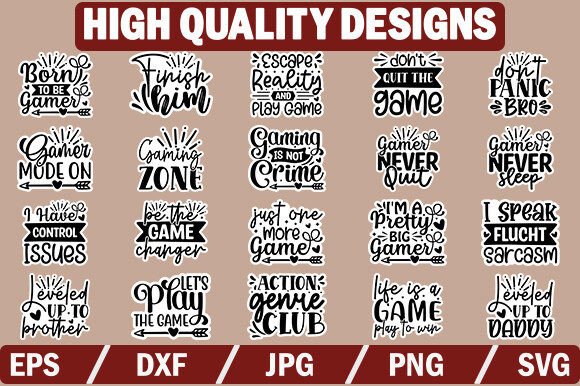
When you acquire a professionally curated gaming sticker design collection, you receive a carefully assembled set of digital assets optimized for both screen and print. The package is delivered as a zip file that systematically removes any guesswork about compatibility. A typical bundle includes:
- 1 SVG file (Scalable Vector Graphics) for easy editing and web use
- 1 PNG file for quick previews and digital applications
- 1 EPS file (Encapsulated PostScript) for professional print‑ready workflows
- 1 DXF file (Drawing Exchange Format) for CNC routers, laser engravers, and sign‑making software
- 100 % vector construction guaranteeing clean, scalable artwork
- Fully resizable elements at 300 DPI resolution preserved in the PNG and editable vectors
- CMYK color mode for accurate physical reproduction
- Asset‑wide ease of color changes and resizing without quality loss
This file compilation is not merely about quantity; it reflects a deep understanding of the production pipeline. Each format serves a distinct purpose, allowing creators to move seamlessly from concept to polished physical sticker, t‑shirt graphic, or custom decal. The inclusion of a properly layered, 100 % vector design means that the intricate contours of a gaming controller, a pixel‑art sword, or an esports emblem remain clean at any scale, from a tiny laptop skin incision to a full banner.
Why File Format Diversity Matters for Different Production Methods
The variety of formats in a gaming sticker design bundle is a direct response to the fragmentation of creative hardware and software. An SVG file is indispensable for users of modern cutting machines like Cricut and Silhouette, as it retains editable vector data that the device can read natively for scoring, cutting, and drawing. The EPS version appeals to professional print shops and designers who work in Adobe Illustrator or CorelDRAW, ensuring that the file opens with preset CMYK values and open paths already closed. DXF extends the reach to manufacturing and signage, where laser cutters and CNC routers need precise linework for stencils, wood engravings, or thick acrylic panels. Even the PNG file, often treated as a simple preview, becomes a rapid shareable asset for social media teasers or for mocking up merchandise on printing platforms without needing vector software.
This thoughtful formatting means that the same Gaming Sticker Design artwork can flow from a quick hobbyist project to a commercial production run without file conversion headaches. A designer can use the SVG to craft a sticker sheet layout for a streamer’s giveaways, then pass the EPS to a garment printer for a run of hoodies, and finally feed the DXF to a laser engraver for a custom‑etched wooden medal. Such cross‑platform agility is what elevates a simple digital illustration into a versatile business asset.
The Power of CMYK Color Mode and 300 DPI in Sticker Production
Many creators learn the hard way that RGB originals often print with muddy, desaturated tones. A Gaming Sticker Design bundle that arrives in CMYK color mode already bridges the gap between screen and physical substrate. CMYK (Cyan, Magenta, Yellow, and Key/Black) is the standard color model for printing, and having the vectors built in this space means the fluorescent pink of a cyberpunk‑inspired gaming logo or the deep crimson of a fantasy helmet will reproduce faithfully on vinyl, paper, or fabric.
Equally important is the 300 DPI resolution flag. Even though vectors have no inherent pixel density, the accompanying PNG preview and the output specifications are often calibrated at this benchmark—the gold standard for high‑quality print. For sticker makers, this translates to crisp edges on small decals, no jagged lines on a die‑cut sticker measuring just two inches across, and the ability to enlarge artwork for posters or backlit signage without degradation. Together, CMYK fidelity and high resolution ensure that the end product meets the expectations of both casual hobbyists and discerning business clients.
From Laptops to Apparel: Creative Uses Across Industries
The real‑world applications of a Gaming Sticker Design asset pack are astonishingly broad. Because the design is fully resizable and color‑editable, it can slip into dozens of contexts that go far beyond the obvious laptop skin. Common uses include:
- Vinyl decals for customizing game consoles, arcade machines, or car windows
- T‑shirt and apparel graphics for esports events, streaming merch, and gaming lounges
- Sign making for retail stores, pop‑up booths, or tournament banners
- Card making and scrapbooking, where dedicated crafters incorporate gamer‑themed embellishments into personalized birthday cards or memory albums
- Logo design for amateur teams, content creators, or small gaming startups seeking a recognizable mark
- Custom product packaging for indie game releases or limited‑edition box art
Consider a tabletop gaming club that wants unified branding. They can take a single Gaming Sticker Design vector, scale it up for a four‑foot vinyl banner, color‑match it to their team palette, output a smaller version as a sticker for member laptops, and even export the DXF to laser‑etch a wooden pub sign. The same design, used with smart adaptation, creates a cohesive visual identity across physical and digital touchpoints. For hobbyists, a weekend project might involve printing a colorful gaming mascot on adhesive paper, cutting it precisely with a home machine, and decorating a controller stand—a process made effortless by the included SVG that already defines cut lines.
Seamless Customization: Changing Colors and Scaling Without Compromise
One of the standout promises of a professional vector bundle is that color changes and resizing are genuinely easy. Unlike raster images that pixelate when you try to enlarge them, a vector Gaming Sticker Design uses mathematical paths. You can blow up a tiny 2‑inch sticker design to billboard size, and every curve remains razor‑sharp. In software like Adobe Illustrator, Inkscape, or even Affinity Designer, swapping the dominant color of a character from neon green to electric blue takes only a few clicks, provided the file is well‑organized with grouped or ungrouped elements.
This flexibility is a game‑changer for businesses. A merchandise seller on platforms like Etsy can offer the same sticker in multiple color variants to appeal to different gaming fandoms. A streamer can tweak the design to match their brand’s hex codes without hiring a secondary designer. Because the Gaming Sticker Design assets often arrive with clean layers or easily selectable shapes, even those with moderate technical skill can produce a polished, personalized outcome. The lack of raster artifacts and the retention of proper CMYK profiles mean that the re‑colored version will print as vibrantly as the original.
A Tool for Everyone: How Different Users Leverage Gaming Sticker Designs
The audience for this kind of design asset is remarkably diverse, and each group exploits its features in distinct ways. Graphic designers and illustrators incorporate the vectors as time‑saving base elements for larger compositions—adding a gaming headset icon to a tournament poster, for instance, and then customizing it to fit the layout. Sign makers and print shop owners value the EPS and DXF format because they slide directly into professional production software like FlexiSIGN or Adobe Illustrator, eliminating the need to rebuild cut paths. Educators and workshop leaders use gaming‑themed sticker projects to engage school students in design principles, showing how a digital file transforms into a physical adhesive product on a Cricut machine.
Hobbyists and crafters find joy in the simplicity: open the SVG in Design Space, hit “Make It,” and watch a custom gaming decal emerge for a personal laptop or journal. Business owners in niche e‑commerce see these designs as inventory expanders—by bundling multiple sticker designs, they create sticker sheets or mystery packs that tap into gaming nostalgia. Even researchers studying gaming culture may use high‑quality vectors for academic posters or visual analysis. The common thread is that the Gaming Sticker Design resource strips away technical barriers, letting the user focus on creativity and output rather than file engineering.
Technical Considerations for Perfect Physical Outputs
While modern cutting and printing machines are forgiving, getting flawless stickers still requires attention to detail. Because the included DXF and SVG files are fully vectorized, their cut lines should already be continuous and closed—but it is wise to inspect the artwork for any stray nodes or overlapping paths before sending it to a plotter. In vinyl cutting, maintaining a small offset around intricate details prevents weeding nightmares; many designers add a thin stroke to the cut layer for this purpose. The 300 DPI PNG, if used in print‑then‑cut scenarios, should be placed at its original size to avoid resampling.
Color management is another key factor. Even though the file is in CMYK mode, the final output can shift slightly depending on the printer profile and media. A test print on a sheet of printable vinyl or sticker paper before committing to a full production run helps catch any discrepancies. For laser engraving, the DXF file should be opened in software like LightBurn to verify that all lines are read as either cut or engrave. By respecting these small pre‑production checks, users maximize the return on a Gaming Sticker Design purchase and avoid wasted materials.
Expanding Your Design Horizons with Gaming Themes
Part of the appeal of Gaming Sticker Design lies in the thematic richness that gaming culture affords. From retro 8‑bit sprites to sleek, futuristic esports logos, the motifs are instantly recognizable and emotionally resonant. A pixel‑art heart or a vintage joystick graphic can instantly transport an audience to the golden age of arcades, making it a perfect choice for nostalgic scrapbooking or retro‑themed merchandise. Meanwhile, a modern, angular shield icon speaks to the competitive gaming scene and looks right at home on a team jersey or a high‑end gaming chair decal.
By choosing a well‑designed bundle, the user isn’t just buying a file; they’re acquiring a visual story. The best gaming sticker designs balance clean geometry with enough detail to remain interesting at any size. They avoid excessively thin lines that might tear during weeding, and they use sturdy color blocks that print solidly. This genre‑savvy design ethos is what makes such assets valuable to a broad audience, from the craft‑room enthusiast to the full‑scale merchandise brand.
Planning Your Next Sticker Project: Tips for Efficiency
To get the most out of your Gaming Sticker Design files, a little advance planning goes a long way. Start by backing up the original zip so you always have a clean base to work from. If you intend to commercialize the designs—selling stickers, t‑shirts, or decals—review the accompanying license to confirm that physical end products are allowed. Next, open the SVG in your preferred vector editor and use the “Create Outlines” function on any text to ensure font compatibility across machines. When preparing a sticker sheet, arrange multiple designs with sufficient spacing for the cutting machine’s tolerance; 0.125 inch between each design is a safe buffer.
For vinyl application, remember to mirror the design if you’ll be applying it to the inside of a glass surface, like a PC case window. Use transfer tape of an appropriate tack level to avoid damaging delicate cut lines. If you plan to sell the stickers online, photograph or render them on realistic surfaces—a laptop lid, a water bottle, or a skateboard—to help buyers visualize the scale. These small steps elevate a simple digital download into a professional, sellable physical product.
The world of custom stickers, decals, and branded merchandise has never been more accessible. With a comprehensive vector bundle covering all essential file formats, proper color mode, and full scalability, anyone from a weekend crafter to a print professional can transform a Gaming Sticker Design into a tangible piece of gamer culture. The technology behind cutting machines, laser engravers, and digital presses continues to advance, but the foundation remains clean, well‑prepared vector artwork. By understanding the strengths of each file type and the workflow they enable, you position yourself to produce striking, durable, and deeply personal creations that resonate with the gaming community.