The Best Type of Fright T-Shirt Design: Evaluating Quality, Versatility, and Fit
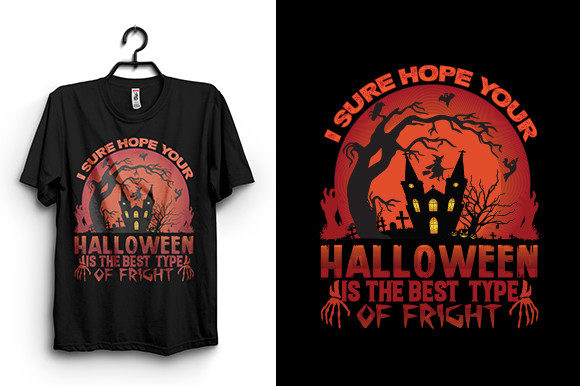
When you start hunting for the perfect Halloween T-shirt design, the options can feel endless. Among the many fright-themed graphics available in digital design stores, one that often catches attention is the cleverly named “The best type of fright Halloween” T-shirt design. This isn’t a physical shirt, but a digital asset package that hands you full creative control. The phrase itself plays on the double meaning of “fright”—both the scare and the type of person or moment that delivers it—and the corresponding artwork usually strikes a balance between spooky and playful. What makes this particular product distinct is not just the concept but the technical depth built into the downloadable files. Buyers get a vector-based package that promises easy editing without quality loss, a feature that sets it apart from many simpler raster-only offerings. Understanding when this kind of design works best, and when it might fall short for your needs, requires a closer look at what’s inside the zip file and how it compares to other Halloween shirt options.
What Exactly Comes with ‘The Best Type of Fright’ Design?
At its core, this is a creative T-shirt graphic centered around a catchy Halloween phrase. The delivery method is a compressed ZIP file containing multiple formats designed to cover nearly any printing or editing workflow. The inclusion of AI (Adobe Illustrator CC), EPS (Encapsulated PostScript CC), SVG (Scalable Vector Graphics), and high-resolution PNG (300 dpi) files means you’re not locked into a single static image. If you open the AI or EPS file in vector editing software, you can change colors, tweak individual elements, or blow the design up to a massive size without ever losing sharpness. That’s a direct benefit of the “100 Vector T-shirt design” claim—the artwork is built from scalable paths, not a fixed grid of pixels. The PNG option serves as a ready-to-print raster file at a generous 4500×5400 pixels, giving you clear, crisp transfers even on larger garments. In the store description, the seller emphasizes that files are well organized, include black-and-white or color variations, and can be downloaded and edited immediately—a practical plus for anyone who wants to skip complicated setup.
Comparing Digital Design Formats: Why Vectors Change the Game
Most online T-shirt design marketplaces offer digital downloads, but not all packages are created equal. A large segment relies solely on PNG or JPG files. While a high-resolution PNG can look great for direct-to-garment (DTG) printing, it’s rigid. Enlarge it too much, and you’ll see blurry edges. Change the shirt color from black to heather red, and you may be stuck with a white background or a color palette that clashes. The best type of fright T-shirt design bundles solve this by delivering fully editable vector files alongside the PNG. This dual approach means you can quickly use the PNG for a one-off project, then dive into the AI file when you need to recolor the spooky elements to match a specific hoodie or add custom text for an event. The tradeoff is that vector editing requires a slightly steeper learning curve and access to software like Adobe Illustrator or free alternatives such as Inkscape. If you have zero graphic design experience and just want to upload and print, a high-quality PNG might be plenty. But for anyone planning to adapt the design across products—baby onesies, tote bags, wall art—the vector inclusion is a tangible advantage.
Style Comparisons: How This Fright Theme Fits Among Halloween Designs
Halloween shirt graphics fall into several broad categories, and “The best type of fright” typically lands in the witty wordplay and minimalist illustration space. Think of a bold, stylized ghost paired with the phrase, or a smiling monster holding a sign. Contrast this with hyper-realistic zombie photo composites, gruesome special effects makeups printed on fabric, or highly intricate skull illustrations. The wordplay approach feels more lighthearted and approachable. It tends to appeal to a wider age range because it’s not off-putting at family gatherings or casual office Halloween parties. On the other hand, if you’re creating apparel for a hardcore horror event or a haunted house staff uniform, you might crave a far darker, more visceral graphic. In that scenario, a pun-based design could come across as too tame. Another distinction is between fully illustrated scenes and text-heavy designs. This fright design likely leans on a strong textual element, making it a quick read and an instant conversation starter—perfect for a party atmosphere where someone glances at your shirt and smiles. Yet if you prefer a more artistic, wordless aesthetic that tells a story entirely through imagery, you might explore alternative styles like vintage Halloween poster art or abstract splatter prints.
Use Cases Where Editable Vector Designs Shine
Understanding who benefits most from a package like this helps you decide if it’s worth the investment. The following scenarios highlight practical applications:
- DIY Party Apparel: You want to make matching shirts for a group of friends, each with a different name or role. The vector file lets you add custom text layers without sacrificing design quality.
- Print-on-Demand (POD) Sellers: If you run a POD shop, you can use the high-res PNG to upload to a platform like Printful or Redbubble instantly. Later, if you want to offer a variant on a dark-colored tank top, you can edit the vector file to adjust contrast or swap a black outline to white.
- Heat Transfer Vinyl (HTV) Projects: Crafters who cut vinyl with a Silhouette or Cricut often need SVG files. This design includes a clean SVG, so you can import it directly, cut the layers, and press them onto tote bags, aprons, or onesies.
- Small Batch Screen Printing: Screen printers typically need high-quality vector separations. The AI or EPS file can be separated into color layers more easily than a flat raster image, reducing prep time and preserving edge crispness.
- Branded Giveaways: A local haunted attraction might want to add its name or date to a fun fright design for promotional shirts. With an editable vector, the branding integration looks seamless.
Each of these use cases relies on flexibility, and that’s where the claim “easily changed without losing any quality” becomes meaningful. If you only need a single T-shirt printed exactly as the artist intended, you might actually prefer a pre-printed physical shirt to bypass the editing and printing steps altogether. The digital design shines when you envision multiple variations or plan to use it across different physical items.
Balancing Quality and Complexity: What the File Specs Really Mean
The product description highlights several technical specifications: 300dpi image files, 4500×5400 pixel dimensions, Ai CC, EPS CC, SVG, and PNG. Let’s translate that into practical printing reality. A 300 dpi (dots per inch) resolution at 4500 pixels wide means the raster version of the design can print at up to 15 inches across at full quality—more than enough for an adult shirt front or back. Even scaled to 12×14 inches, you maintain excellent clarity. The vector files, of course, have no inherent resolution limit; you could theoretically print the design on a billboard. The organization into a single ZIP file with clearly named formats reduces the chance of downloading the wrong file. These details might seem technical, but they directly affect your ability to move from computer screen to finished garment without frustration.
On the limitation side, having so many file options can feel overwhelming if you don’t know which one to open first. Some buyers may accidentally try to edit the PNG and wonder why it’s not behaving like the vector. The store’s typical message—“Hello Welcome to my Creative T-Shirt Design Store”—implies a helpful creator who likely answers questions, but the initial learning curve remains. In addition, not all editing software handles every EPS or AI feature perfectly; older program versions might struggle with newer CC-version files. That’s a small but real consideration for users with limited software access.
When This Fright Design Makes the Most Sense
Choosing “The best type of fright” T-shirt design is a solid decision when several factors align:
- You value a humorous, approachable Halloween graphic that isn’t overly graphic or gory.
- You have basic design software skills or are willing to use the PNG straight away for a clean print.
- You want the ability to tweak colors, sizes, or add personalized elements in the future.
- You’re an apparel seller or creator who needs commercial-ready files that won’t deteriorate with each edit.
- You appreciate well-organized downloads that save you time hunting for format converters.
In these situations, the flexibility and resolution the package provides offset the modest effort needed to understand vector editing. The phrase itself also has broad appeal—it’s specific enough to feel unique but not so niche that only a handful of people will get the joke.
When Another Option Might Be Better
No single design fits every requirement. Consider alternatives if:
- You need a finished shirt today: Downloading, editing, and printing takes time. A locally sourced pre-printed tee might be faster.
- Your design tastes lean toward photorealism: A vector cartoon or playful typography won’t match a gritty photograph-based design. Look for high-res photo composite digital packs specifically labeled as photorealistic.
- You lack any software experience and only want a one-time print: The learning curve for vectors might not be worth it. A high-resolution PNG-only product with a simpler color scheme could serve you better, or you can hire a local printer to handle everything.
- You want an extremely edgy or horror-specific graphic: “The best type of fright” likely leans humorous; intensive horror enthusiasts might prefer a more disturbing or atmospheric illustration.
- You require an exact custom illustration that doesn’t exist yet: In that case, commissioning a unique design or exploring custom design services might be more appropriate than buying a pre-made digital asset.
None of these scenarios diminish the design’s quality—they simply highlight that different projects demand different resources.
Making the Most of a High-Quality Halloween Design File
To get the best result from any premium digital design, start by examining the files before you commit to a printer. Open the vector file and check whether colors are easily adjustable; often designers use global swatches that update all instances at once. If you plan to use the PNG for DTG printing, ensure your print provider accepts 300 dpi files and that the image dimensions match their print area. For layering heat transfer vinyl, test the SVG in your cutting software to confirm stroke weights translate cleanly. Many crafters also appreciate that the ZIP includes black-white and color versions already separated, which can save a few extra steps. Remember that commercial usage rights vary by seller, so even if the files are well-prepared, always verify what the license allows—especially if you intend to sell the printed shirts.
Ultimately, the best type of fright T-shirt design represents a category of digital product that prioritizes adaptability. Its multi-format packaging and vector foundation directly address the common pain points of resizing, recoloring, and printing. While it won’t be the perfect match for every Halloween project, it slots neatly into a wide range of creative workflows—from DIY family crafts to commercial print-on-demand lines. By weighing your specific printing method, editing comfort, and stylistic needs against what the files offer, you can decide whether this lively fright concept belongs on your next custom garment.