Ocean Anchor Vintage: Timeless Nautical Design for Modern Creatives
Finding a design asset that remains genuinely flexible across projects often takes more time than the creative work itself. The Ocean Anchor Vintage concept fills that gap by offering a thoughtfully composed nautical anchor illustration rooted in classic maritime imagery, yet built to adapt without the usual compromises. For anyone who has wrestled with raster graphics that pixelate when scaled, or vector files so poorly organized that editing them becomes a puzzle, this approach changes the equation. It is not simply an anchor graphic. It is a ready-to-use, high-resolution template designed to shift between monochrome and full color, between a subdued vintage mood and a bold contemporary statement, all while preserving every line, curve, and textured detail.
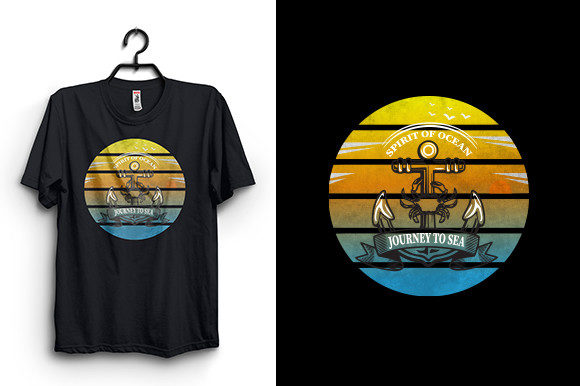
The anchor itself carries layered meaning. Historically, it signals stability, hope, and a connection to the sea. In modern branding and apparel, it reads as both rugged and refined. A small business owner launching a coastal-inspired clothing line can use the same core file that a gaming community organizer might print on event merchandise. The symbol crosses boundaries because it taps into something older than trends, yet the execution matters enormously. Poorly traced anchors look amateurish. The Ocean Anchor Vintage design sidesteps that problem by delivering clean, professionally constructed vector paths that hold their integrity whether blown up to poster size or reduced to a chest emblem.
Why Vector Quality Shapes the Entire Creative Workflow
When a T-shirt design arrives as a true vector file, the practical advantages ripple through every stage of production. Raster images force creators into a corner: enlarge a 72 dpi file and the edges soften, details blur, and the finished print betrays the lack of preparation. With the Ocean Anchor Vintage package, the included AI, EPS, and SVG formats mean the artwork exists as mathematical paths, not pixels. This translates to unlimited scaling. A screen printer preparing a run of shirts for a sailing club reunion can output the design at 4500×5400 pixels at 300 dpi and trust that the anchor's weathered details will reproduce with precision on fabric.
The benefit extends beyond size adjustments. Vector files allow color separation for different printing techniques. A designer preparing a two-color screen print can isolate elements without rebuilding the graphic. If the project calls for a distressed white anchor on a navy background for one client, then a warm sepia-toned version for a café's merchandise line, those changes happen in minutes rather than hours. The Ocean Anchor Vintage design supports black, white, or color variations directly, so decision-making shifts from technical limitations to creative preference. That shift alone can save half a day on a tight deadline.
Customization Without the Creative Degradation Trap
One of the quiet frustrations in design work is the trade-off between editability and quality. Many stock graphics look decent in their original form but fall apart the moment a user attempts to recolor, resize, or adjust line weights. The Ocean Anchor Vintage design was constructed with modification in mind. The layered file structure means a marketer producing branded merchandise for a local seafood restaurant can isolate the anchor's rope details, adjust the stroke thickness, or swap the surrounding typography without touching the central illustration. Each element remains independently accessible, so changes cascade cleanly.
This matters especially for repeat-use assets. A freelancer who purchases a design once and uses it across ten client projects needs consistency. If the anchor loses fidelity on the fourth export, the professional reputation takes a quiet hit. The high-quality 4500×5400 pixel canvas provides a generous working area, and because the source files include both AI CS and EPS CS versions, compatibility with older software versions is preserved. Not every print shop runs the latest Creative Cloud suite. Having a legacy-compatible EPS file ready prevents that awkward moment when a vendor cannot open the artwork.
The Practical Edge of Organized File Delivery
Downloading a design and finding a chaotic folder of randomly named assets wastes creative energy before the work even begins. The Ocean Anchor Vintage package addresses this with a clear structure. All formats arrive compressed in a single ZIP file, with the vector files separated from the high-resolution PNG. A creator can navigate directly to the SVG for a web-based project, grab the AI file for apparel mockups, and pull the 300 dpi PNG for quick social media previews. No hunting, no guessing which version holds the editable layers.
This organizational approach quietly supports efficiency. A small business owner managing five product listings on a print-on-demand platform can work through uploads systematically. The PNG serves immediate product visualization. The vector file sits ready for the printing partner's specifications. Time that might otherwise go to file conversion or frantic email threads with designers stays focused on the actual product launch. For entrepreneurs who handle their own merchandising alongside other responsibilities, that recovered time compounds meaningfully over a quarter.
Where Gaming Meets Nautical Aesthetics
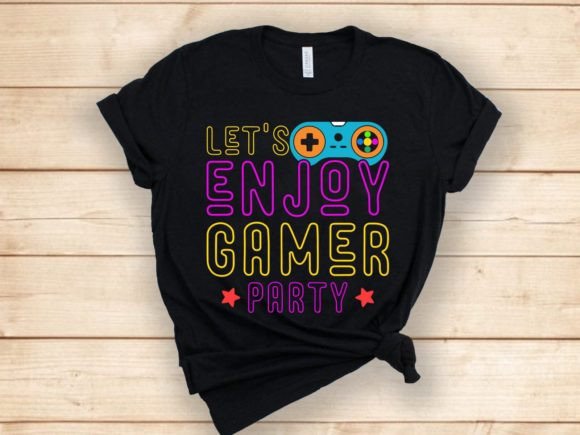
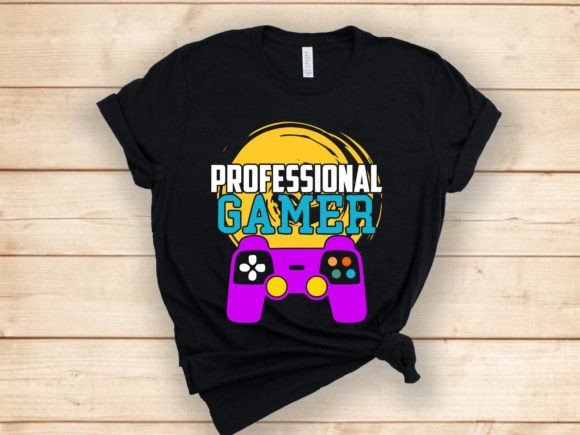
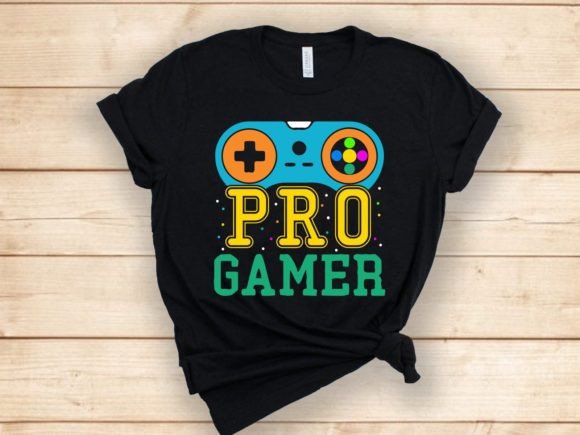
The mention of a gaming T-shirt design alongside the vintage anchor might seem unexpected, yet the crossover makes practical sense. Gaming communities, esports teams, and streamers regularly produce merchandise to strengthen community identity. A nautical anchor styled with a weathered, almost legendary quality can serve as a clan symbol, a channel mascot rendered on apparel, or a limited-edition event shirt. The anchor's associations with resilience and steadiness resonate with competitive gaming narratives. A team named after maritime themes can wear the design cohesively, while the black-and-white option keeps production costs manageable for small-batch orders.
Beyond gaming, educators organizing school theater productions with nautical themes benefit from a design that adapts to cast T-shirts and promotional materials. A community sailing program can print the anchor on youth regatta shirts without needing a dedicated illustrator. The Ocean Anchor Vintage design covers these scenarios because it was built as a versatile asset, not a single-purpose decoration. The vector foundation means even adding custom text, dates, or sponsor logos around the anchor keeps everything looking intentional rather than patched together.
Who Gains the Most Value From This Design Approach
Several groups stand to benefit particularly from the Ocean Anchor Vintage resource. Freelance graphic designers who juggle multiple client identities appreciate ready-made, high-quality vector elements that can anchor a composition without dominating it. Instead of illustrating an anchor from scratch for a brewery label or a podcast cover, they can start from a polished base and invest their time in the surrounding design language. The hours saved translate directly to higher effective hourly rates or the capacity to take on additional projects.
Small business owners in coastal regions, from bed-and-breakfast operators to fishing charter services, need merchandise that reflects their location without requiring a custom illustration budget. The Ocean Anchor Vintage design gives them access to a professional-grade graphic that communicates nautical heritage immediately. A B&B in Maine printing welcome bags with anchor-motif shirts offers guests something meaningful without a four-figure design fee. The 300 dpi output ensures the print looks crisp on fabric, not like a blurry home-iron transfer.
Print-on-demand sellers and e-commerce entrepreneurs form another natural audience. The ability to test designs quickly across mockups, then upload production-ready vector files to platforms like Printful or Merch by Amazon, shortens the cycle from idea to listing. If a design variant in deep teal outperforms the classic black, the color change takes seconds in Illustrator or Affinity Designer. The seller can iterate based on actual market response rather than committing to a single color at the start.
Thoughtful Considerations When Choosing a Vintage Nautical Design
No single design fits every context perfectly, and conscious selection strengthens any creative project. The Ocean Anchor Vintage aesthetic leans intentionally toward a classic, slightly weathered look. This works beautifully for heritage brands, outdoor gear companies, and personal projects that celebrate tradition. A tech startup with a sleek, minimalist brand identity might find the vintage texture at odds with their visual language. That is not a flaw in the design but a matter of alignment. Creators should evaluate whether the anchor's character supports or distracts from their broader message.
Another consideration involves printing methods. While the vector source files accommodate nearly any production technique, the vintage styling with its distressed edges and varied line weights may reproduce differently on direct-to-garment printing versus screen printing. A test print on the intended garment material often reveals subtle differences worth noting before ordering a full run. The high resolution helps maintain detail, but fabric texture, ink type, and garment color all influence the final appearance. Planning for a sample print reduces the risk of disappointment on a bulk order.
For users accustomed to fully templated designs where every element arrives locked and pre-styled, the flexibility of the Ocean Anchor Vintage files might initially feel like extra work. Customization demands some familiarity with vector editing software. A complete beginner opening an AI file for the first time will face a learning curve. However, the organized layers and clean path construction make that curve gentler. Basic tasks like recoloring or removing a background element are achievable with a short tutorial, and the SVG format opens the design to free software like Inkscape, lowering the barrier further.
Translating Design Quality Into Tangible Outcomes
The real measure of a design asset lies not in its file specifications alone but in what those specifications enable. The Ocean Anchor Vintage design, with its 100% vector construction and multi-format delivery, supports outcomes that range from a single memorable gift to an entire merchandise line. A father designing matching shirts for a family sailing trip experiences a different satisfaction than a publisher creating nautical book covers, yet both rely on the same underlying quality. The anchor renders cleanly because the mathematical paths are precise. The colors stay consistent because the source controls them. The shirts look intentional, not improvised.
This consistency also matters for brand trust. A customer who purchases a shirt featuring the anchor design and finds the print sharp, the fabric holding the detail wash after wash, associates that quality with the seller. Repeat purchases often hinge on these quiet details. A podcaster selling merch to support a show about maritime history builds listener loyalty through products that reflect care. The Ocean Anchor Vintage design supplies a foundation that supports that care without requiring the podcaster to become a professional illustrator.
Building a Sustainable Creative Library
Wise creative professionals treat high-quality assets as investments rather than disposable purchases. A vector anchor design with lasting aesthetic appeal earns its place in a resource library because nautical themes cycle through trends without ever fully disappearing. This year it might serve a summer apparel collection. Next year it could anchor a logo concept for a conservation nonprofit. The SVG file remains editable through software updates. The EPS format preserves compatibility with older equipment. Unlike a raster image photographed from a sketch, the Ocean Anchor Vintage design ages gracefully because the core technology does not degrade.
For educators teaching design students, the file set offers a practical example of professional vector construction. Students can examine how layer organization, stroke consistency, and scalable detailing come together in a commercial-quality graphic. The clear separation between the anchor's structural elements and its vintage texturing demonstrates principles that apply far beyond a single project. Learning from a well-built file accelerates skill development more effectively than staring at poorly constructed examples.
Creators who archive their assets thoughtfully will find the compressed ZIP delivery convenient for long-term storage. One download places every format in a single folder, ready to be backed up to cloud storage or an external drive. Years later, when a project calls for a nautical graphic with a heritage feel, the files open as readily as they did on day one. That reliability, coupled with the design's inherent versatility, positions the Ocean Anchor Vintage as a genuine resource rather than a fleeting purchase.